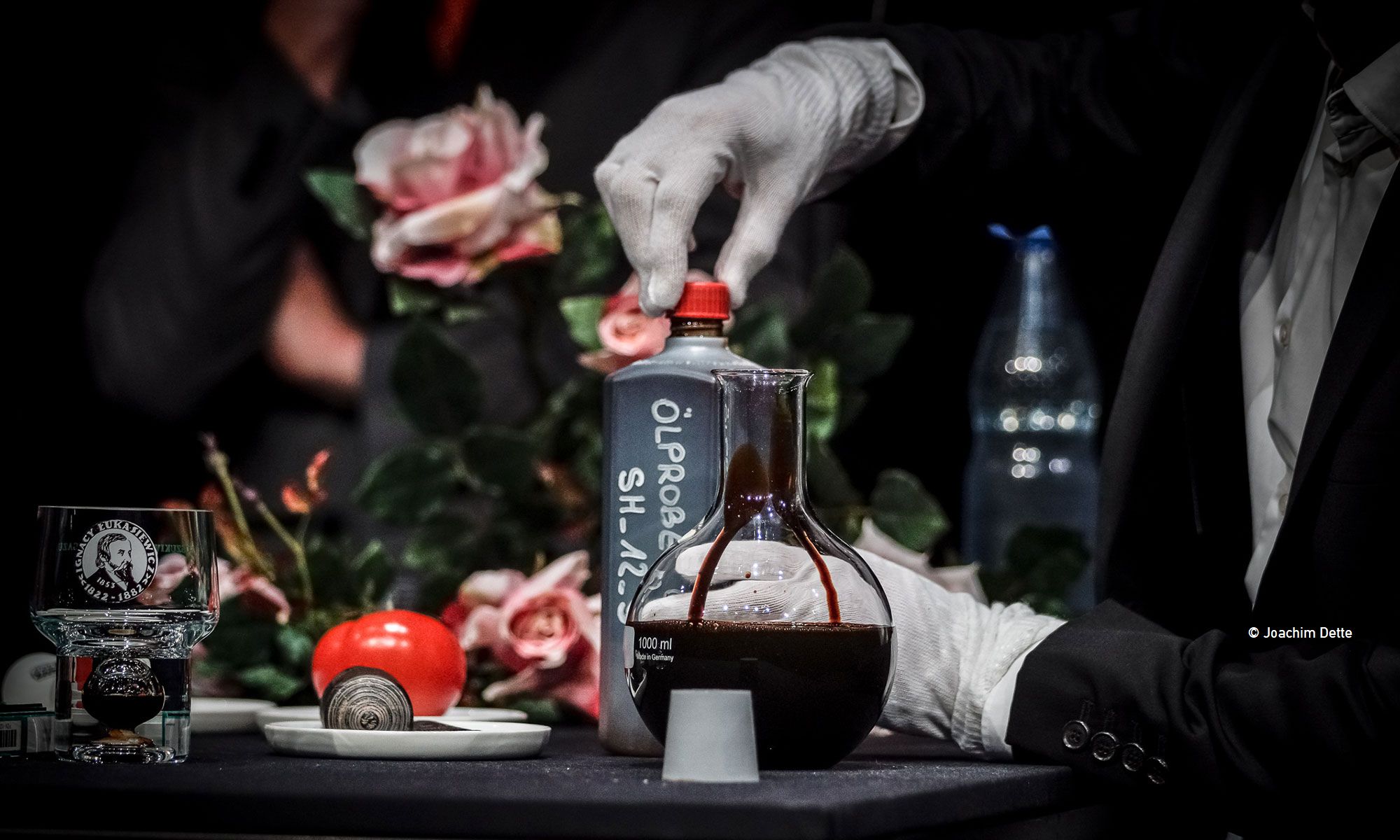
»Wie lassen sich Erdöl, Container und jene Infrastrukturen denken, die unsere Gegenwart ermöglichen – meist, ohne dass wir sie bewusst wahrnehmen? In der aktuellen Folge unseres Podcasts spreche ich mit Benjamin Steininger und Alexander Klose, die gemeinsam das Forschungskollektiv „Beauty of Oil“ bilden. Im Zentrum steht die Frage, wie sich die Petromoderne, ihre Logistik und ihre materiellen Grundlagen theoretisch fassen und erzählerisch sichtbar machen lassen.«
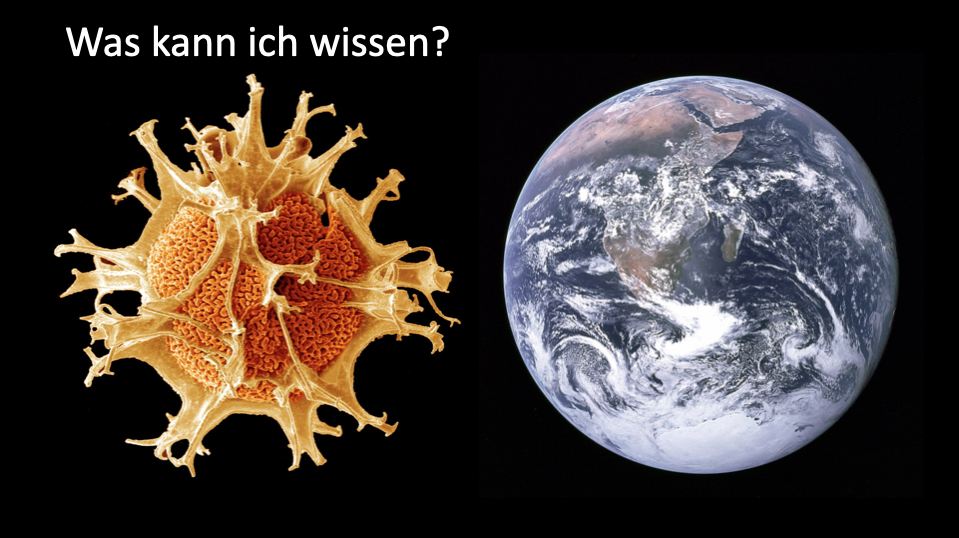
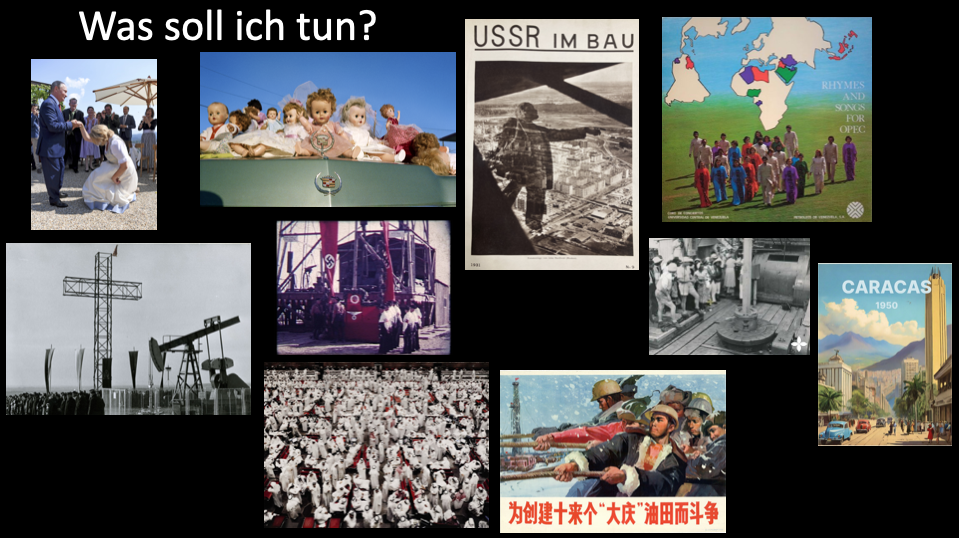
Ausgangspunkt ist unser ‘Atlas der Aetromoderne’. Wir erklären Form, Intention und Gewinn einer Herangehensweise, die es erlaubt, zwischen zeitlichen Skalen und räumlichen Maßstabsverhältnissen zu springen und Verbindungen herzustellen zwischen scheinbar heterogenen oder weit auseinanderliegenden Wissens- und Erfahrungsfeldern: vom molekularen zum planetarischen, vom kleinen technischen Detail zur globalen Infrastruktur, vom Knacken einer Schallplatte zum Donnner von Kanonen, von einer getuschten Wimper zu einem Meeresstrand aus Plastikgranulat, vom Körperinneren zum Erdäußeren.
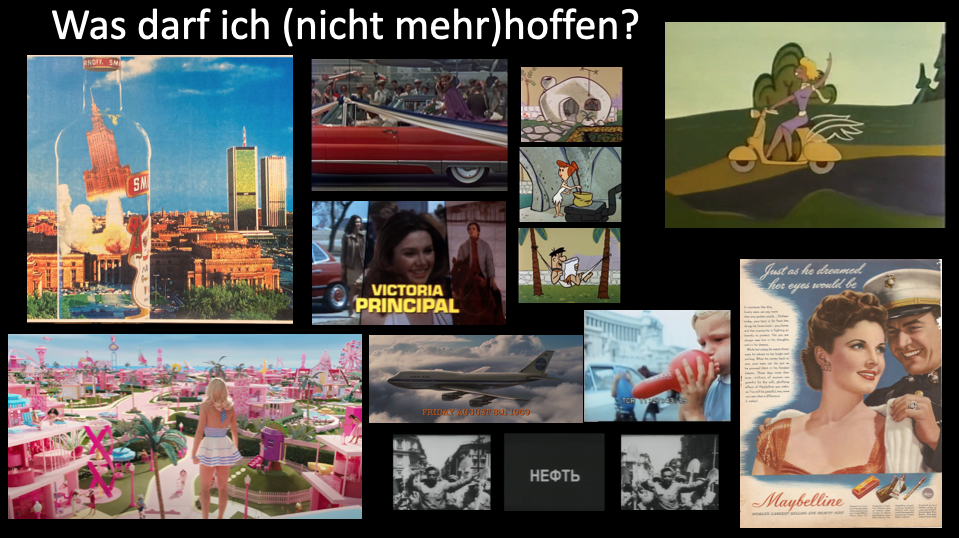
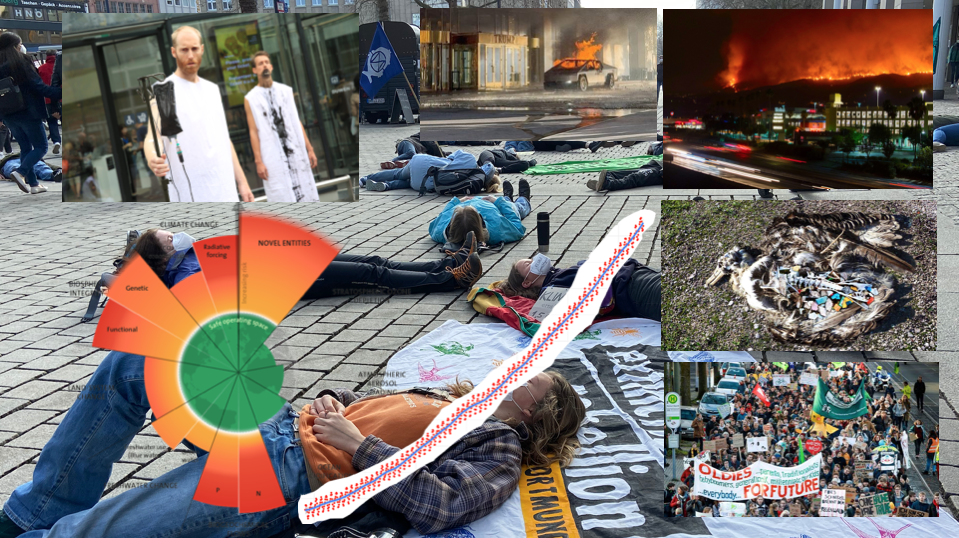
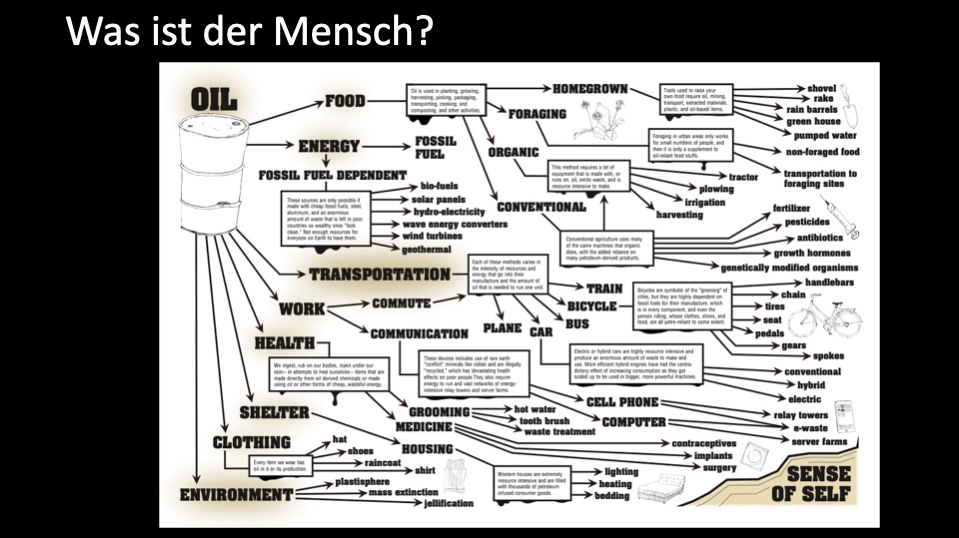
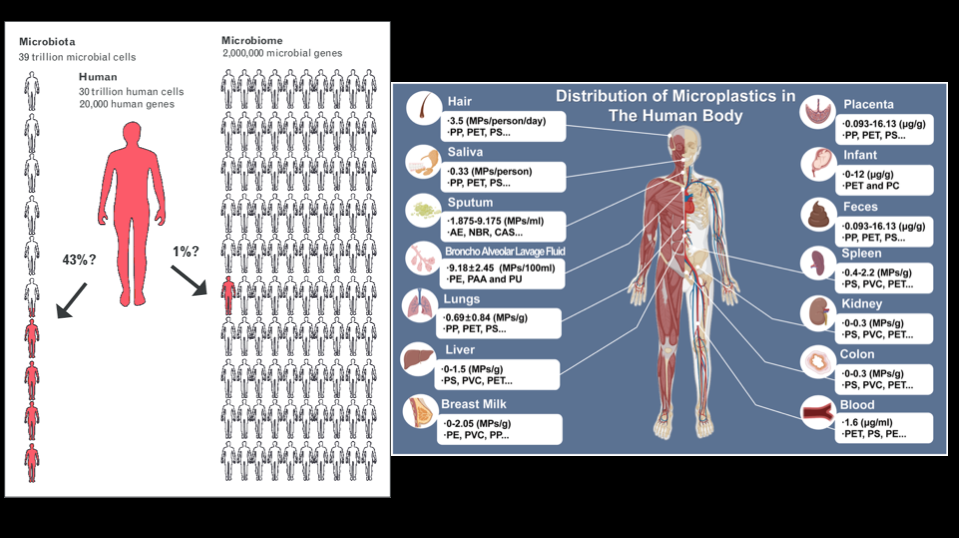
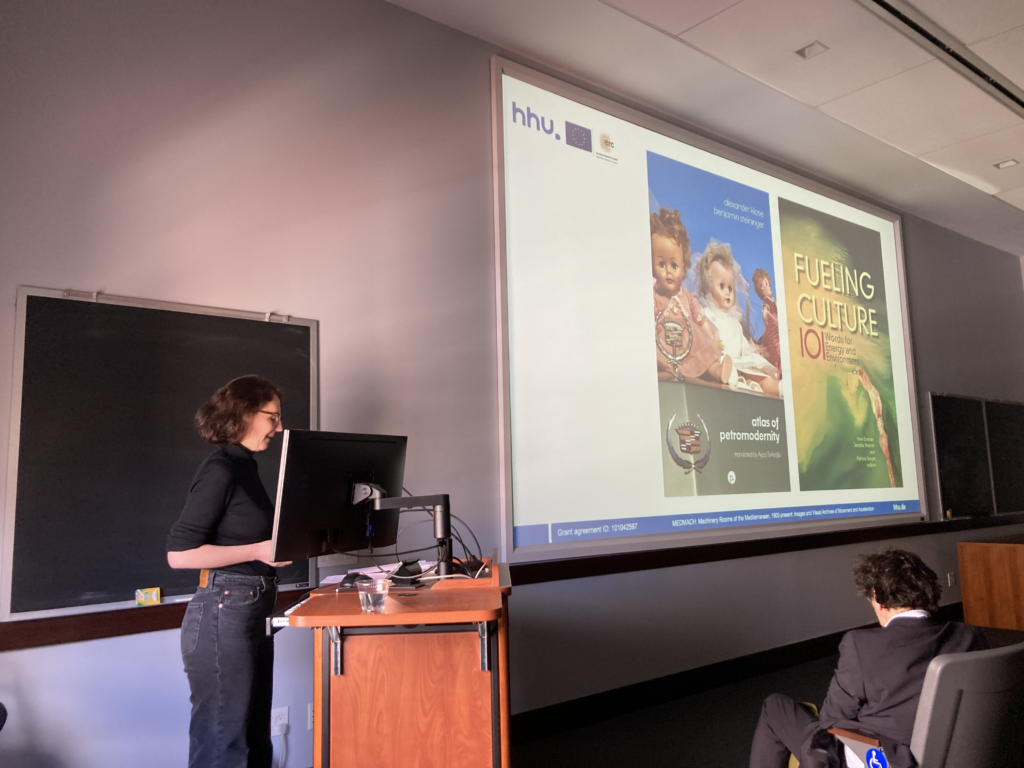
Präsentationsfolie. Diese und alle anderen Collagen auf dieser Seite: Beauty of Oil 2025
Die exzeptionelle Dynamik der Epoche der Moderne − was wir wissen, wie wir leben, was wir erwarten − hängt auf vielfältige Weise an der Nutzung fossiler Naturgeschichte in Form von Kohle, Öl und Gas.
Die Moderne ist eine ‘Petromoderne‘ in nahezu all ihren Errungenschaften, Abgründen und Widersprüchen. Um die Position des Menschen in dieser Epoche zu deuten, um zu ermitteln, was wir hinter uns lassen sollten, aber auch, worum es zu kämpfen gilt, müssen alle Skalen zwischen molekularen, technischen, historischen, kulturellen und planetarischen Prozessen zusammengedacht werden.
Nur wenn wir ‘fossile Vernunft’ als solche verstanden haben, können wir unsere Gesellschaften postfossil weiterentwickeln. Denn der notwendige Abschied von fossilen Energieträgern betrifft weit mehr als nur Mobilität und Heizung.
Die conditio humana, so unsere These, in die die Menschen der industriellen Zivilisation eingetreten sind, und aus der heraus sie die gewaltige Aufgabe haben, Verantwortung für den gesamten Planeten zu übernehmen und ihr zukünftiges Handeln danach auszurichten, ist eine petromoderne conditio. angemessene Anthropologien dafür sind aber erst im entstehen (etwa im Begriff der ‘Geoanthropologie’).
Mehr noch als der nicht zuletzt geschichtsphilosophische Begriff des Anthropozän erlaubt es der Blick über den Begriff der Petromoderne, die materiellen Voraussetzungen der Technologien und Handlungsweisen, Denkmuster und Ansprüche, die unsere gegenwärtige Lage definieren, zu erkennen und zu benennen. er setzt keinen einheitlichen ‘Anthropos’ voraus, sondern folgt den sehr unterschiedlichen, petromodernen Techniken, Geografien, Politiken rund um den Globus und durch die Geschichte, um herauszufinden, welche Mensch-Erde-Interaktionen dort jeweils wirksam sind.
For further information, for the zoom-link (if you can’t make it to Essen) visit the KWI-website
Press the ignition. Hear the combustion engine. Smell the Gasoline fumes. Feel the improbably smooth and bright coloured plastic surfaces of a vehicle’s interior. Ride. Dream. What do you see?
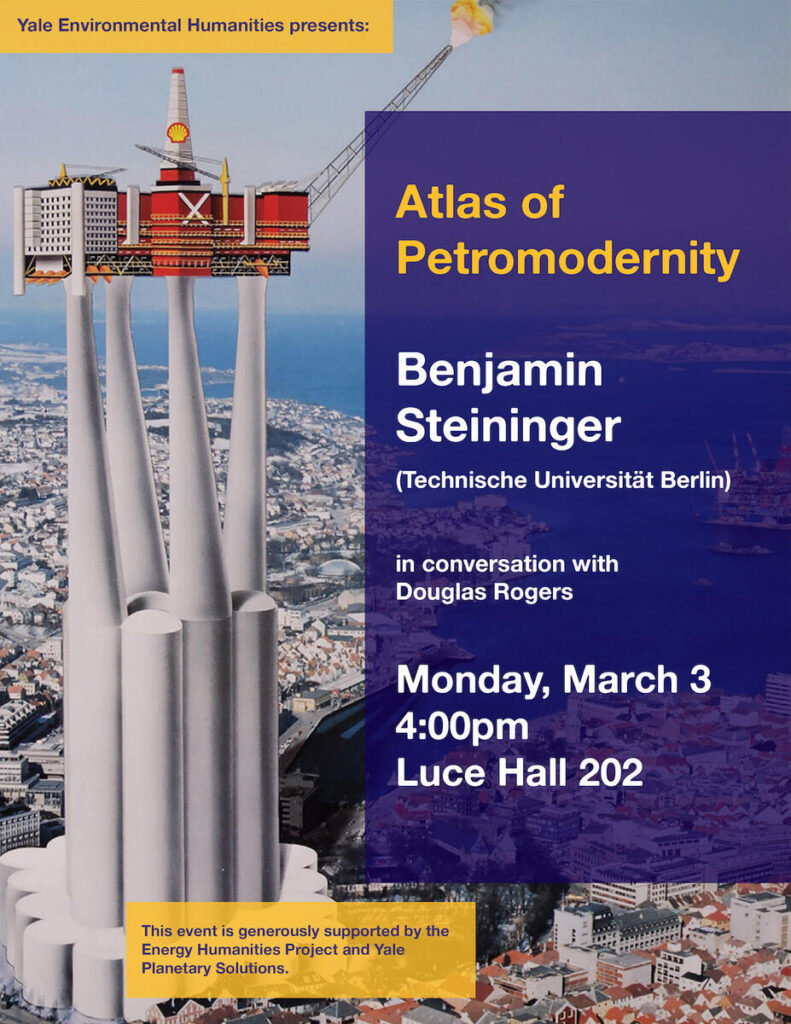
Petroleum has enabled and shaped modern experience. Beauty and horror lie closely together in the petrol age. With their research collective ‚Beauty of Oil‘, Alexander Klose and Benjamin Steininger trace the deeply ambivalent character of fossil energy and matter through layers of knowledge, politics, arts, ecologies, and everyday lives. Their ‚Atlas of Petromodernity‚ (Santa Barbara 2024, Berlin 2020) maps a panorama of technologies, geographies, histories, and experiences with what is both a chemical energy resource and a cultural drug connected to almost all our epoch’s forms of pleasure and guilt.
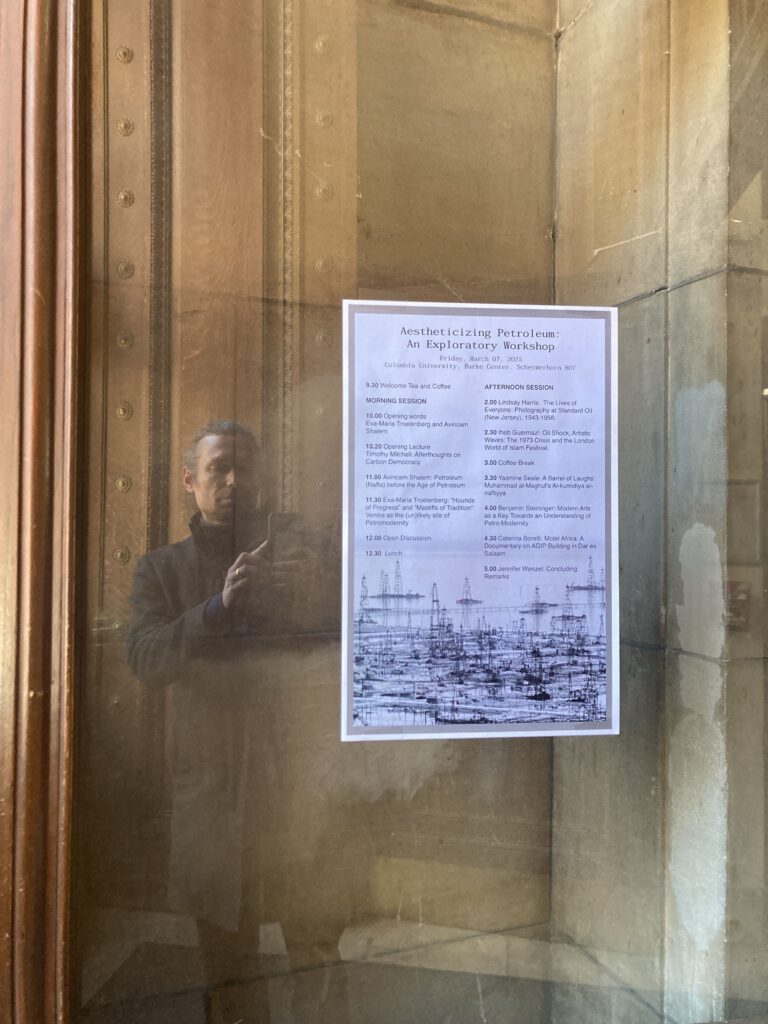
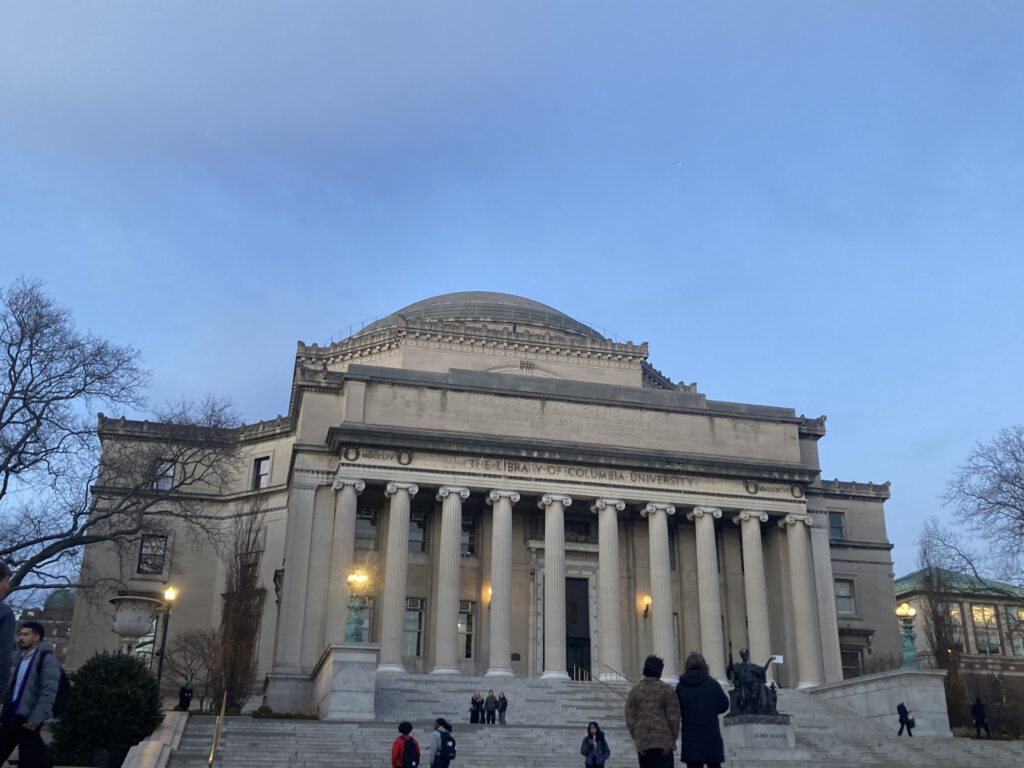
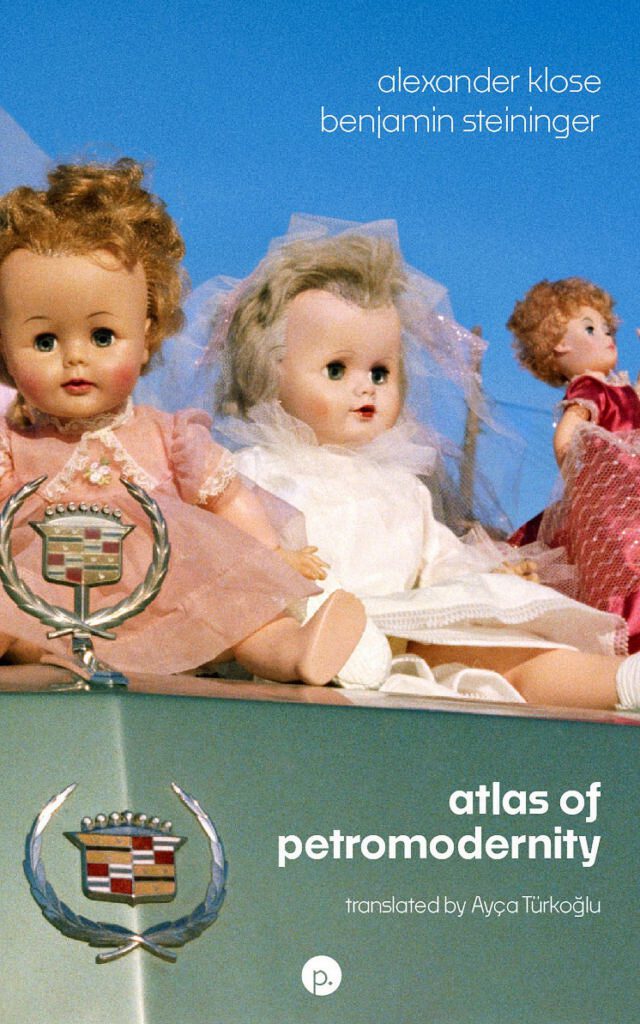
What by twitter news beeping phones during our workshop turned out as a dramatic day of political threats against Columbia University, started calmly with a familiar book cover in the opening remarks by Eva-Maria Troelenberg and Avinoam Shalem…
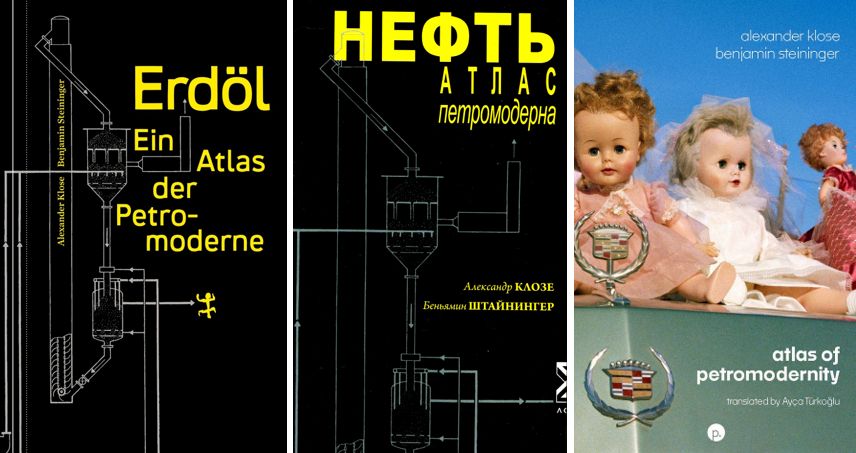
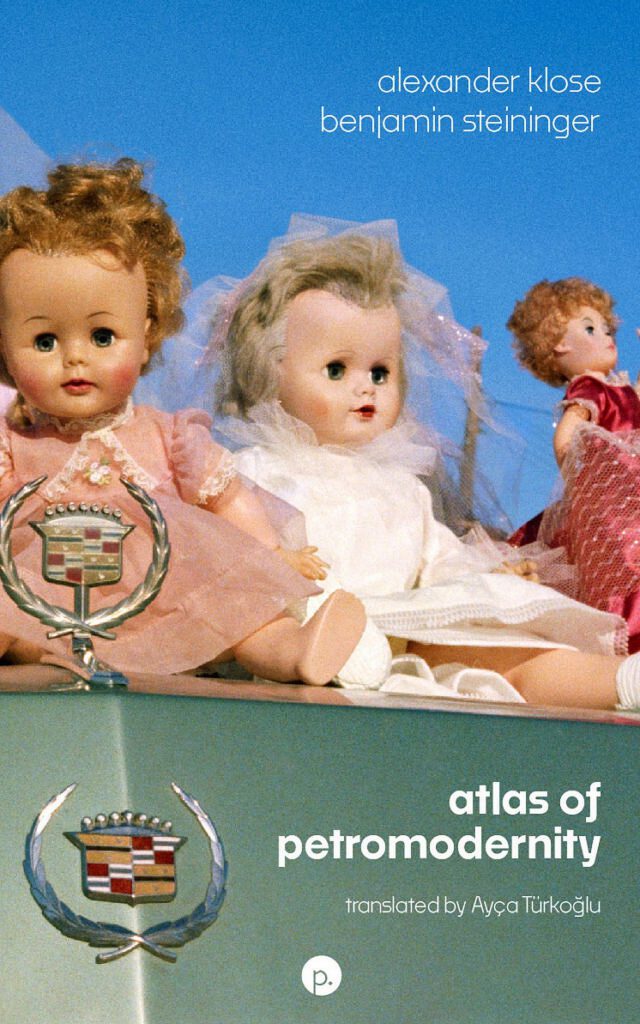
It is a pleasure to announce the publication of the American edition of our »Atlas« – updated and extended version with a new foreword by Stephanie LeMenager and a new long closing chapter (‘Zombie’) on the Ukraine war and the still not closed case of petromodern destruction.
We stroll through Baku, Rotterdam, and Louisiana, into Manchuria and through the Vienna Basin. We read Bertolt Brecht, technical manuals, and petroculture theory. We reinterpret Kasimir Malewich, and we listen to Neil Young. We follow the traces of Joseph Stalin, Adolf Eichmann, and Bin Laden. We go to the moon, through refineries and over highways emptied by the COVID-19 pandemic. We confront petrochemistry with petromelancholy, catalysis with catharsis, cosmos with cosmetics. We see tractors winning over tanks.
The Atlas of Premodernity tackles the contradictory ambivalences of a substance that has been vital for our epoch, and whose roles and meanings need to be understood in order to be able to leave this epoch behind.
English translation of our Atlas by Ayça Türkoğlu, updated and enlarged edition with a new introduction by Stephanie LeMenager and a new concluding chapter, »Zombie«, on the still not closed case of petromodern destruction. In print and open access!
“The Atlas of Petromodernity offers us the chance to be a flaneur within its distinctively curated and therefore somewhat realistic world. Enter at your own risk, with the affinity for risk that may well define you, even still.” Stephanie LeMenager
For more details on publication, dates, and availability see here: punctumbooks.com
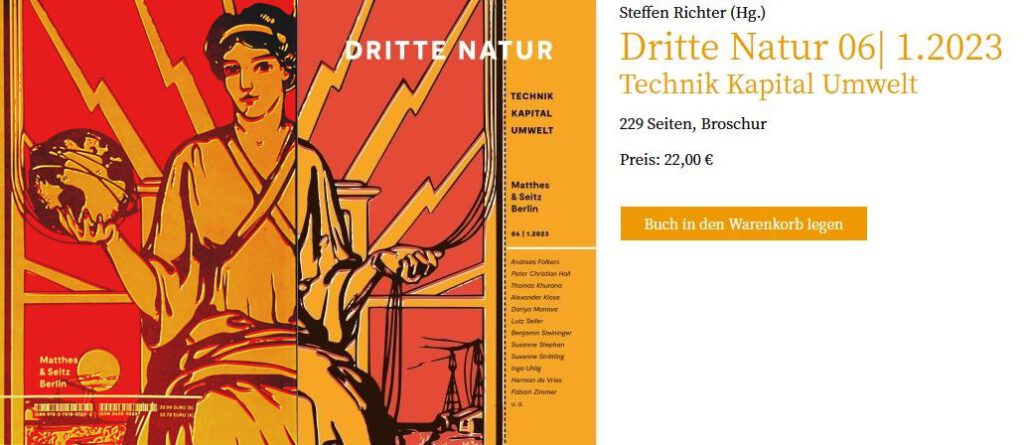
Seit dem russischen Krieg in der Ukraine ist sie Thema politischer, ökonomischer und kultureller Debatten: Energie. Sabotierte Pipelines, gebrochene Staudämme und beschossene Atomkraftwerke machen die Verletzlichkeit unserer Energieinfrastrukturen greifbar – und die unserer gesamten energieintensiven Lebensform. Das fossile Zeitalter hat Karbon- und Petromoderne ermöglicht und weitreichende Freiheitsroutinen etabliert. Zugleich aber untergräbt es unsere Lebensgrundlagen. Damit überlagern sich die vom Krieg angefachten Diskussionen über Versorgungssicherheit mit Debatten, die seit langem über die Notwendigkeit einer postfossilen Kultur geführt werden. Energieformen nämlich prägen Kulturformen. Und Geschichte lässt sich immer schon als Geschichte von Energiewenden und Konflikten zwischen Energieregimen lesen. Diese Ausgabe der Zeitschrift »Dritte Natur. Technik – Kapital – Umwelt« widmet sich in ihrem Schwerpunkt verschiedenen Facetten von Energiekulturen – etwa dem Energiemanagement der Finanzmärkte, autofreien Sonntagen in der alten Bundesrepublik oder Windradromanen der Gegenwartsliteratur.
The very well written book takes on the form of the ironic encyclopedia that has been popular since the nineteenth century, as a parody of the great encyclopedias of the Enlightenment era. Impressive color illustrations complement the text and, according to the authors, justify the “Atlas” of the subtitle (p. 15). In their individual glosses, the authors almost always succeed in offering interesting and often novel discoveries. For example, the topic of drilling is presented in a well-founded and stimulating manner in a brief account. The catalytically controlled chemical transformation of petroleum constituents is also solidly presented under the heading “Molecular Mobilization” (pp. 49–57). Often, the reader’s expectations are deliberately played with—as, for example, when the essay entitled “Animals in the Oil Field” (pp. 199–203) deals not with seabirds that are glued together and dying but, rather, with animals that visit drilling grounds. This approach arouses interest and curiosity but also increases perplexity. The reader is left alone with the material and must tell his own story.
And this is precisely the goal; it also fits the form of the ironic encyclopedia, which from the outset does not lead one to expect that an overview will be presented. The history of oil is a history that crashes over us. “Erdöl: Ein Atlas der Petromoderne” aims to use brief spotlights, from very different perspectives, to draw attention to a substance that is part of the everyday life of modernity. It succeeds in doing so; at the same time, the well documented individual articles offer suggestions for further study and some connections that may be new even to researchers who have been in the field for some time. An English edition is in preparation.«