»Öl! Weltgeschichte im Wiener Becken« Coverstory von Benjamin Steininger in der Wiener Straßenzeitung »Augustin« vom 23.3.2022
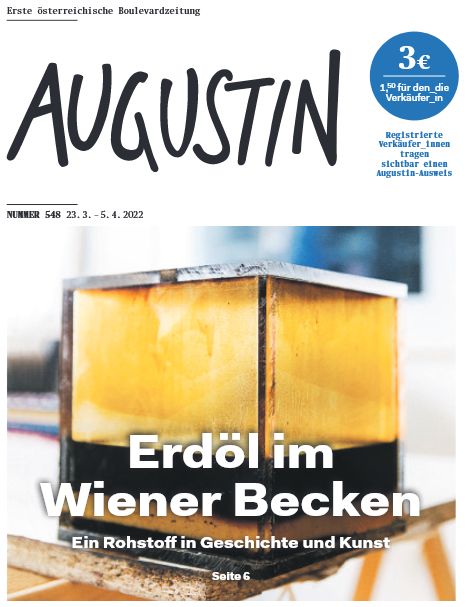
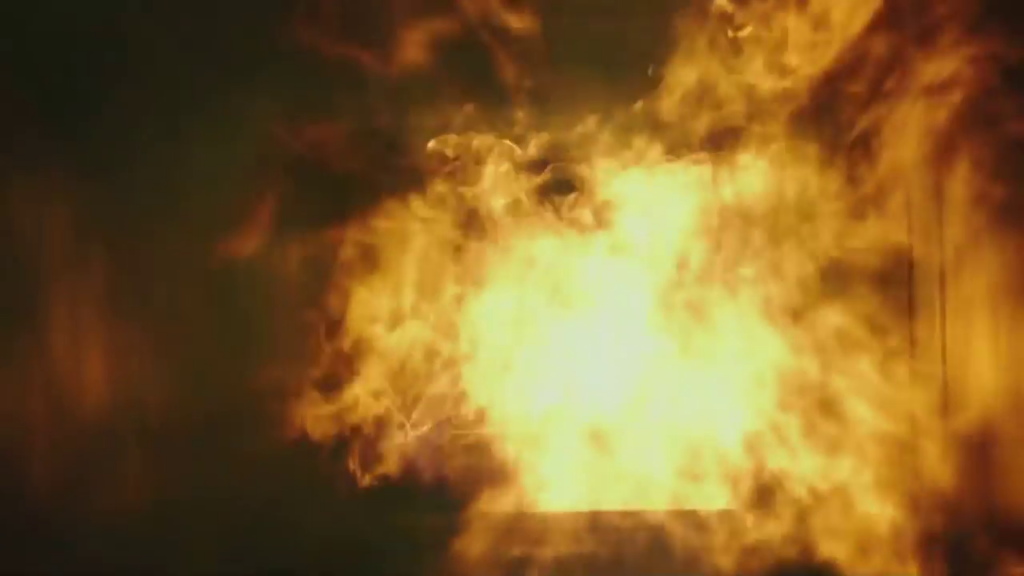
Vom Kahlenberg aus konnte man die Feuersäule mit bloßem Auge sehen. Sechs Monate lang hatte das Öl Tag und Nacht an der Bohrung Matzen 9 gebrannt, und nach Blitzschlag am 1.Mai 1951 hatte sich das Gas noch einmal für mehrere Wochen zu einer 100 Meter hohen Feuersäule entzündet.
Erdöl vor den Toren Wiens? Als strategischer Rohstoff? Die Geschichte von Öl und Gas im Wiener Becken ist erstaunlich unbekannt.
Rezension des »Erdölatlas« von Dietmar Bleidick in »Der Anschnitt. Zeitschrift für Montangeschichte 73 (2021)«
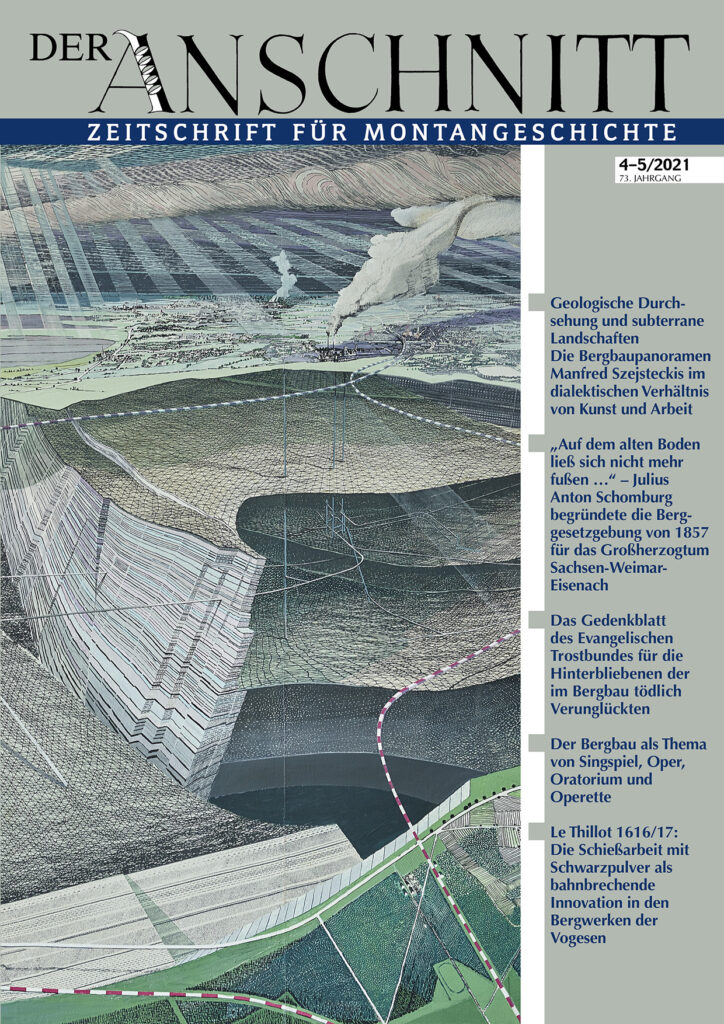
»Wer sich darauf einlässt, dem bietet der Atlas der Petromoderne ebenso wie dem Rezensenten ein reichhaltiges Spielfeld für unerwartete Entdeckungen und neue Perspektiven, auch wenn man den Assoziationen nicht unbedingt folgen muss. Er regt jedenfalls zum Nachdenken und zur thematischen Auseinandersetzung an und das ist wohl das Beste, was ein solches Buch überhaupt zu bieten vermag.«
Dietmar Bleidick, Bochum
Dietmar Bleidick in: Der Anschnitt 73 (2021), S.248. (pdf hier)
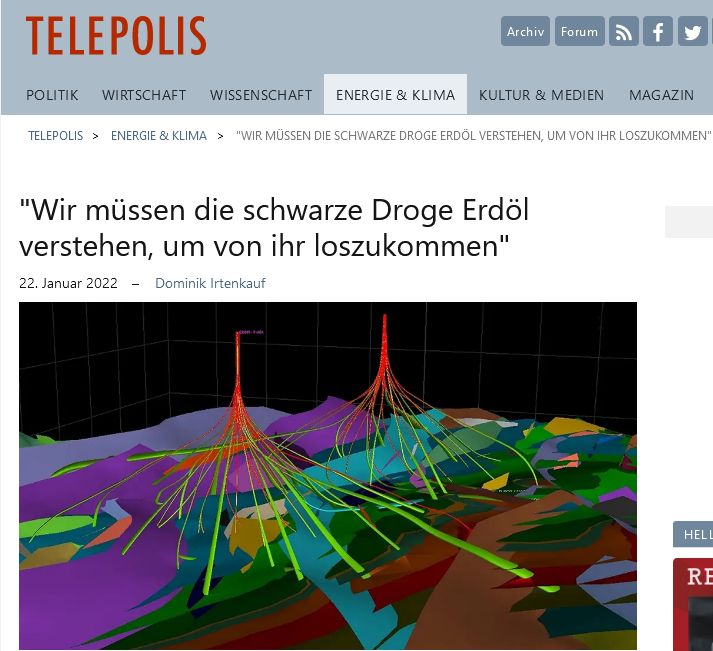
»Wir müssen die schwarze Droge Erdöl verstehen, um von ihr loszukommen«. Ein Interview von Dominik Irtenkauf mit Alexander Klose und Benjamin Steininger auf telepolis.de
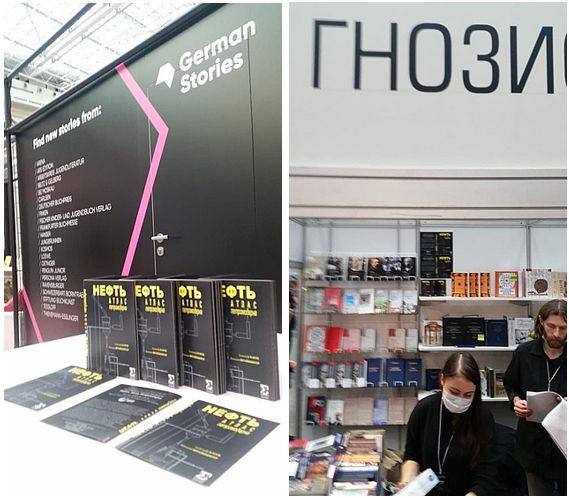
Out now! Штайнингер/Клозе: »Нефть. Атлас петромодерна«! Unser Erdölatlas in russischer Übersetzung! Zum Preis von 1210rub. Eine Kooperation mit dem Goethe-Institut Novosibirsk, dem Verlag logos/lettera und der Buchhandlung Gnosis Moskau
Order here! Hier bestellen! Купить здесь! (книжный магазин Гнозис)
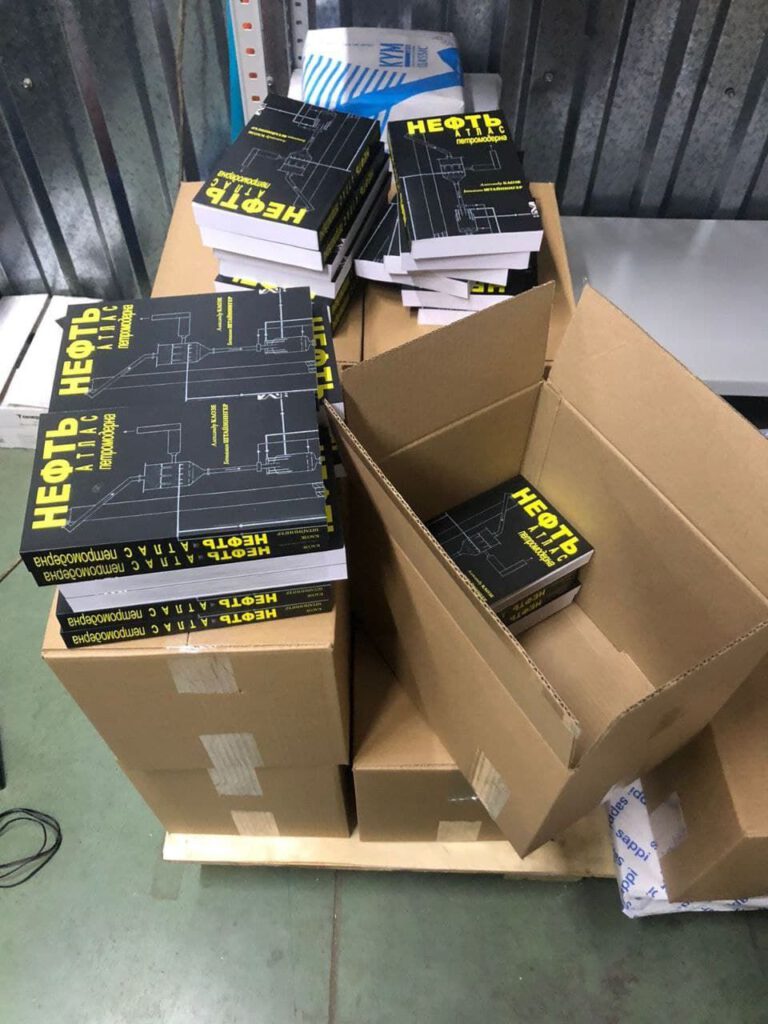
Беньямин Штайнингер, Александр Клозе: Нефть. Атлас петромодерна
М.: Издательство “Логос”, ООО “НПТ”. Москва 2021. – 324 с.
ISBN 5-8163-0088-9 (Серия: letterra.org/off-university)
Стоит 989 р.
Перевод и издание книги осуществлены при поддержке Гёте-Института
Нефть (Erdöl) вездесуща, преобразуется в множество личин и состояний (вот она как «топливо», а вот как «полиэтиленовый пакет», «помада» или «воздушный шарик»), оставаясь при этом невидимой. Одновременно чудесная и роковая субстанция, она по преимуществу символизирует как надежды и соблазны, так и угрозы и страхи нашего времени. И чтобы вновь освободиться от них, нам нужно уметь понимать, с чем мы имеем дело в наших двигателях, лабораториях и телах, в наших науках и мечтах. В этом богато и тонко проиллюстрированном Атласе рассказаны 43 истории о Нефти как «материальном бессознательном современности»: о глубоком бурении и космических путешествиях, о роскошных телах и прирученных молекулах, о невероятном богатстве, молниеносной войне и разрушении ценностей. Потому что Нефть – это больше, чем просто сумма ее молекул: это солнечный свет, накопленный за миллионы лет, это концентрированная история Земли, это чудодейственная смазка, позволяющая крутиться «колёсам» петромодерна, нашей нефтесовременности – вопреки (и благодаря!) всей ее противоречивости.
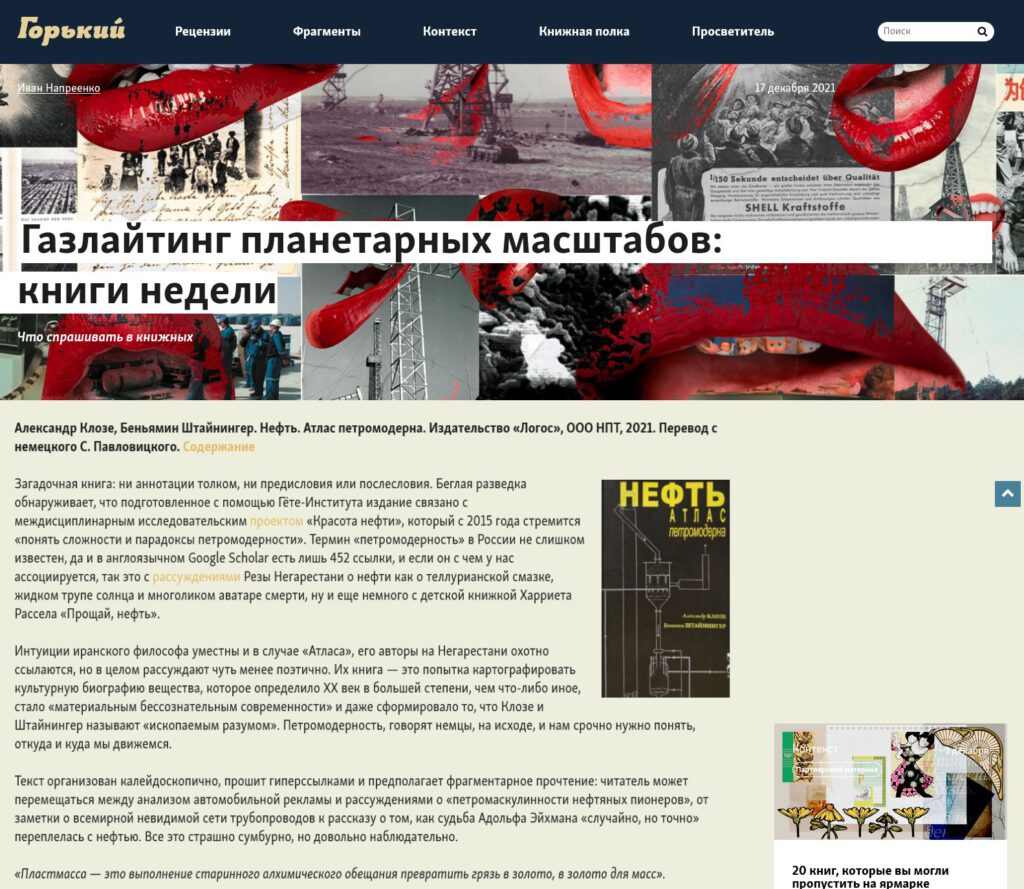
“Загадочная книга…..” (“ein mysteriöses Buch…”) Rezension auf gorky.media (link hier)
Schöner Blick ins Buch auf labirint.ru
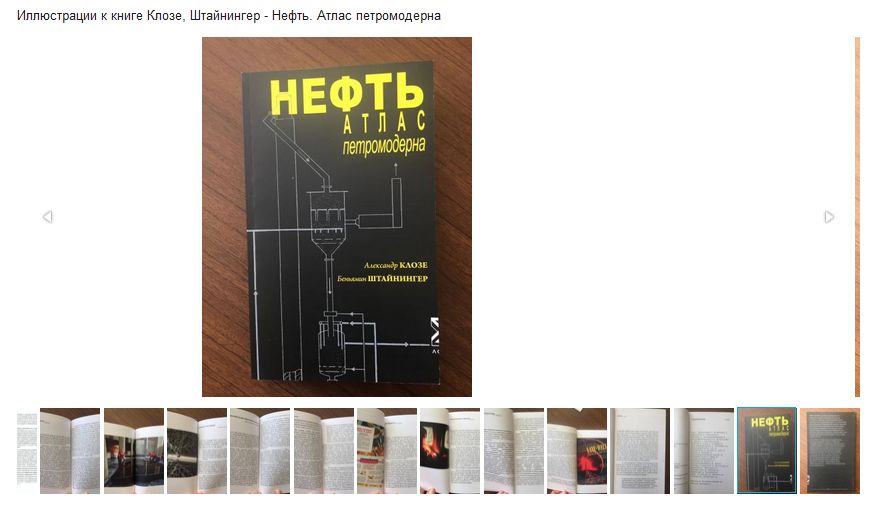
Und eine schöne Rezension ebenfalls hier:
“Нефть, хоть и выглядит, субстанцией плотной, чёрной и со специфическим запахом при добыче, когда «качалка нефть качает», умеет делаться невидимой , но абсолютно незаменимой в нашей жизни. Пусть мы этого и не замечаем, но тепло, свет, авто, средства красоты и прочие штучки от космоса, до азокерита для компрессов, всё это разные ипостаси чёрного золота. Войны, переделы сфер влияния, шантаж и подкупы, преступления – не нефть виновата в этом. Книга Александра Клозе и Беньямина Штайнингера открывает нам разные стороны тайной жизни нефти. Своего рода «всё, что вы хотели знать о нефти, но стеснялись спросить».
Стильно оформлена, проклеена, вроде бы, плотно. Хорошая печать, много иллюстраций и текст вполне доступен. Местами читается как детектив, в целом – познавательно. Полезной может оказаться многим, поскольку нефть, поистине, вездесуща и многолика.”
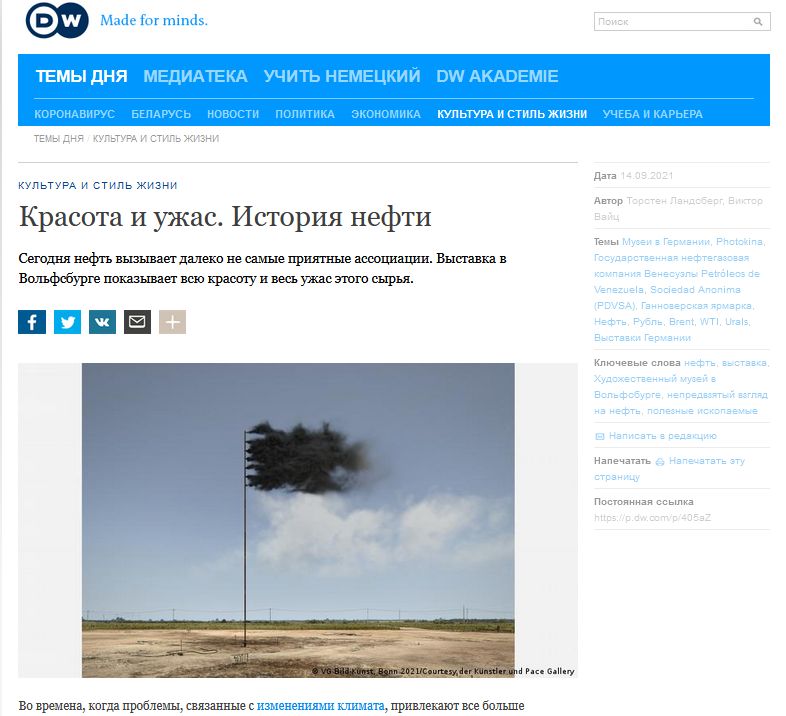
The exhibition »Oil. Beauty and Horror in the Petrol Age« presented in the Russian edition of »Deutsche Welle«
Extraction—Production—Destruction. On the Contradictory Productivity of Oily Images
Essay by Alexander Klose, published in Resolution Magazine #1 (2021), ‘Hot Pictures’
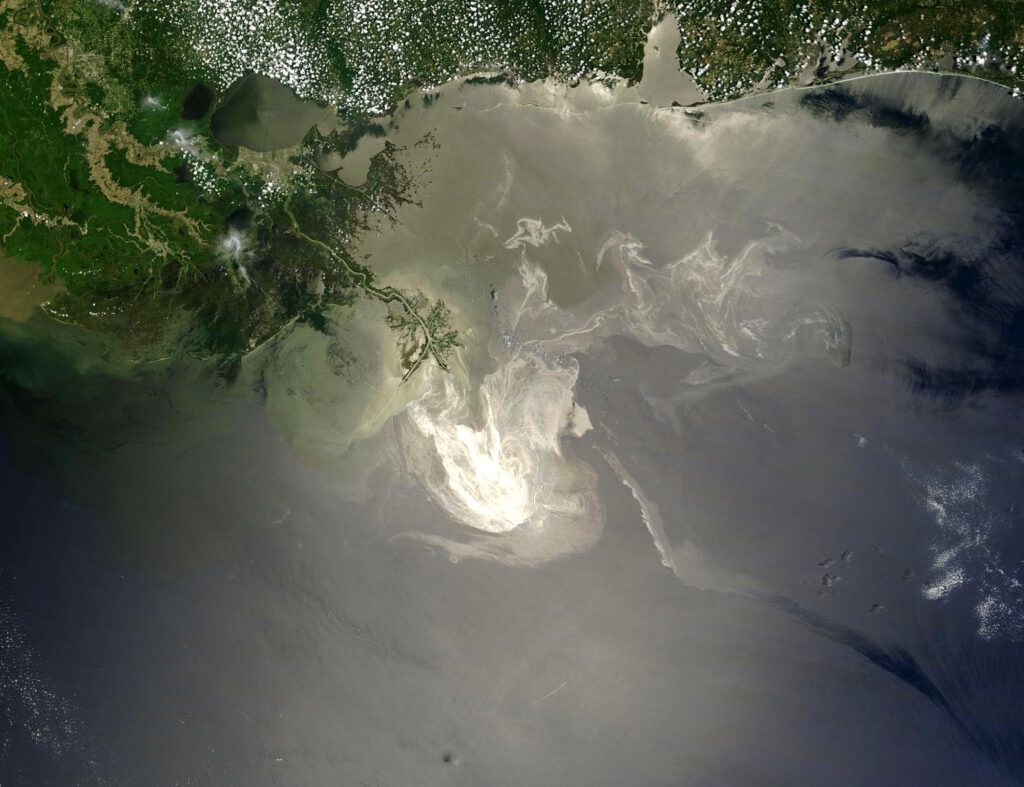
Thinking about the roles images play in the production of knowledge around anthropogenic damage to ecosystems, one stumbles into a meshwork of contradictory relations. Principally, it is possible to distinguish between two different categories of images: those about situations of extraction/destruction (with images of disasters being the most popular) and those brought forward or made by the situations themselves. The latter is a relatively new (or newly recognized) type of images that Susan Schuppli refers to as ‘dirty pictures’, a way in which “anthropogenic environments are documenting their own damaged condition.” Both types of images share a problematic condition: as they formulate a critique of extraction, destruction, and pollution, they are also a part of or the result of the circumstances they depict. In the following text I will concentrate on image-making related to the extraction and uses of oil (and the products it is used to produce) as being probably the most important and momentous of all anthropogenic substances shaping the contemporary condition of the earth. I will track some of these contradictory constellations and try to elaborate an understanding of the dialectical yet calamitous dynamics associated with producing these images.
Download full article as pdf here
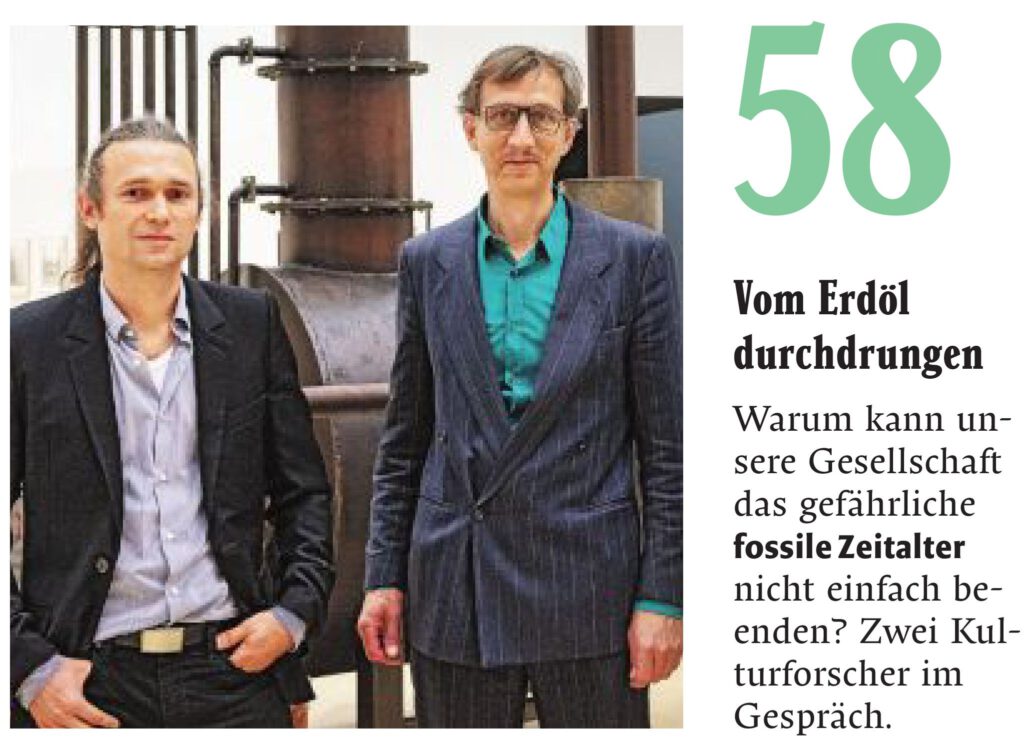
»Fossile Stoffe reichen bis in unsere Körper«, Interview mit Alexander Klose und Benjamin Steininger in der Wiener Wochenzeitung »Falter« (17.11.2021)
Benjamin Steininger: »Ammonia synthesis on the banks of the Mississippi: A molecular-planetary technology« in: »Anthropocene Review (2021), Special Issue: Mississippi«
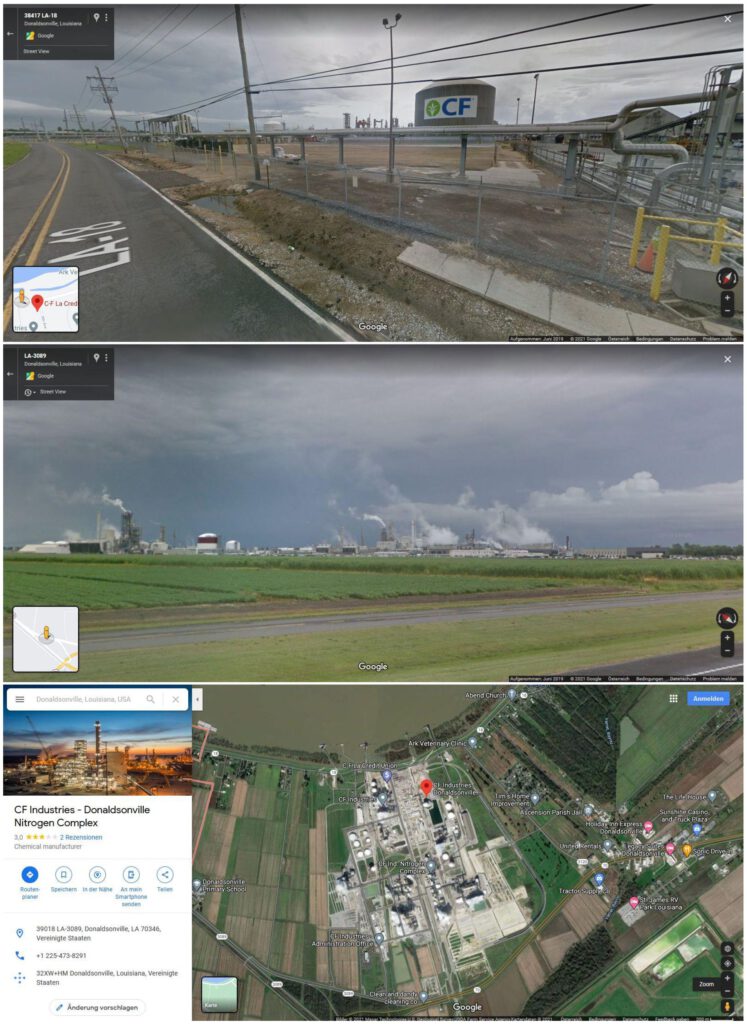
The paper discusses the CF-industries ammonia plant in Donaldsonville, Louisiana. The plant is framed as an exemplary site from which the Anthropocene can be observed and understood. In doing so, a proposal for a “chemical cultural theory” is set out, to allow us to understand such molecular planetary technologies and interpret their (geo)historical significance. As one of the largest fertilizer plants in the world in terms of its output, and one of the largest chemical plants along the “Petrochemical Corridor,” a cluster of chemical industries situated between Baton Rouge and New Orleans, Donaldsonville typifies the relations between the nitrogen and hydrocarbon industries. Catalysis is here used both as a chemical concept and as a metaphor central to the proposed chemical cultural theory. As key to the Haber-Bosch process and refinery technologies in general, investigating the role of catalysis allows us to connect the history of the Petrochemical Corridor to that of German industrialism. This relation reveals how, from the late 19th century through to the World Wars, an ambivalent industrial co-operation between the US and Germany not only transformed local and planetary environments, it also contributed to the Anthropocene condition.
»Oil. Schönheit und Schrecken des Erdölzeitalters« – Ausstellungseröffnung am 3.9.2021 mit regem Medieninteresse
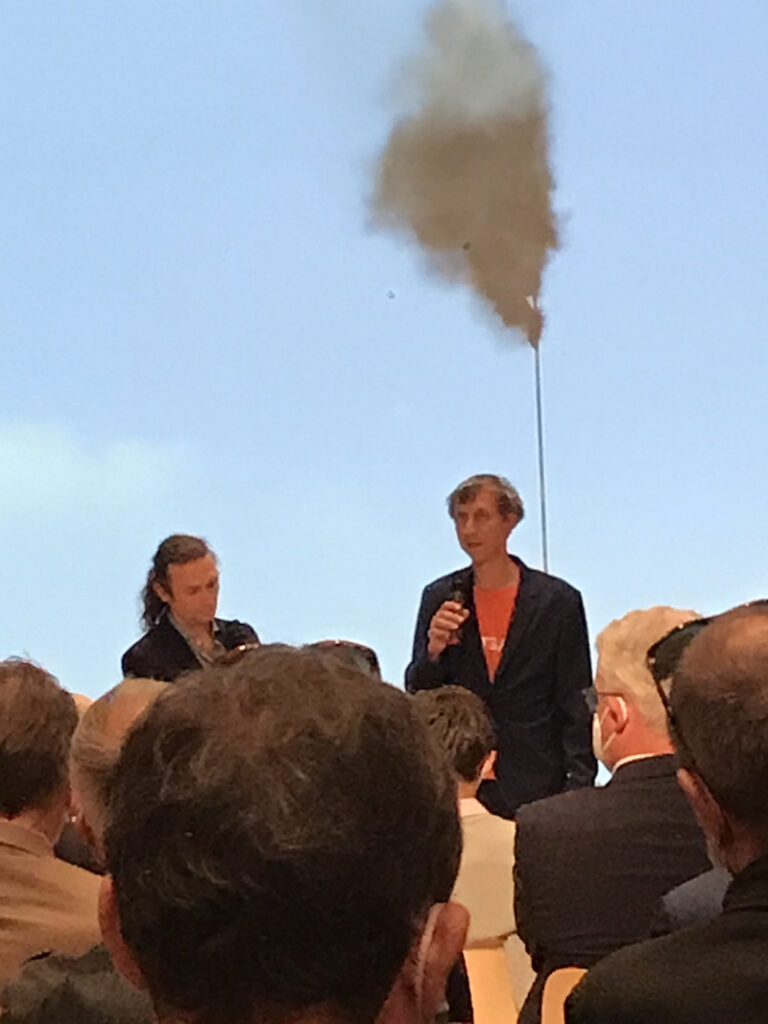
Mit 150, pandemiepolitikbedingt in der Teilnehmerzahl beschränkten und im Vorfeld registrierten Gästen eröffnete am Freitag, 3.9.2021, um 19:00 Uhr endlich unsere große Erdölausstellung, auf die wir seit 2016 hingearbeitet haben. Anwesend waren Bürgermeister und andere Würdenträger aus Wolfsburg und der Region, aber auch viele Freunde und Freundinnen aus Berlin, Wien, und anderswo. Die Reaktionen sowohl auf unsere Einführungsrede als auch auf die Ausstellung waren freundlich bis begeistert. Nachdem wir schon am Abend zuvor mit den eigens für unsere Ausstellung angereisten Künstler_innen Gunhild Vatn, Wes Bell und Joep van Lieshout bis in den späten Abend im Foyer des Museums geredet und gezecht hatten, setzten wir dies am Eröffnungsabend entschlossen dortselbst und im abgebildeten Eingangsbereich zwischen den heute obligatorischen Urban Gardening-Paletten fort. Es war schön.
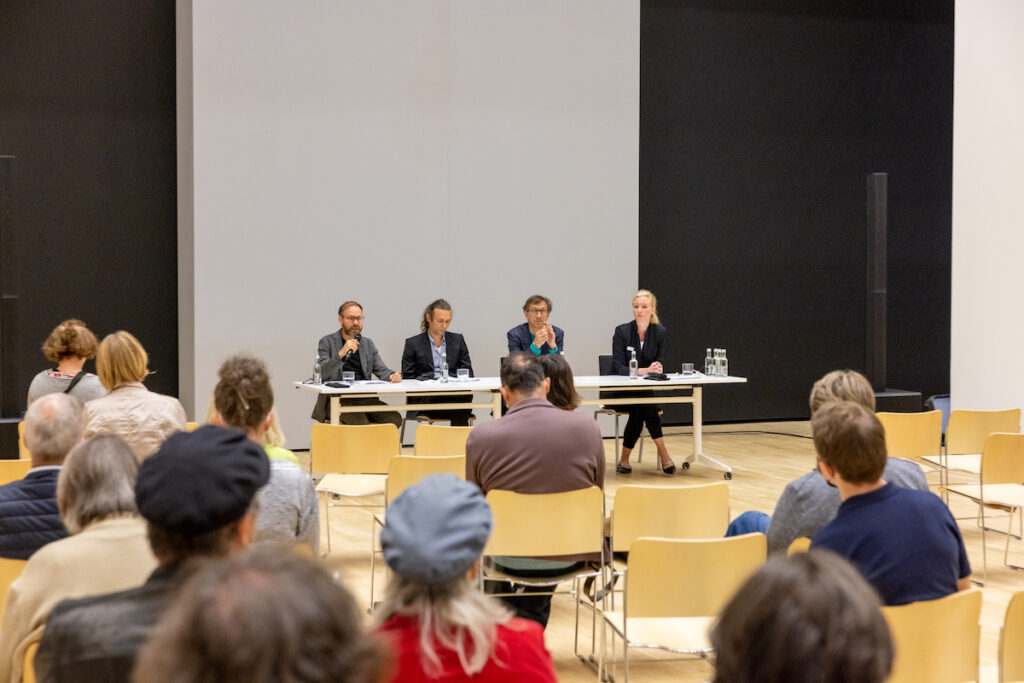
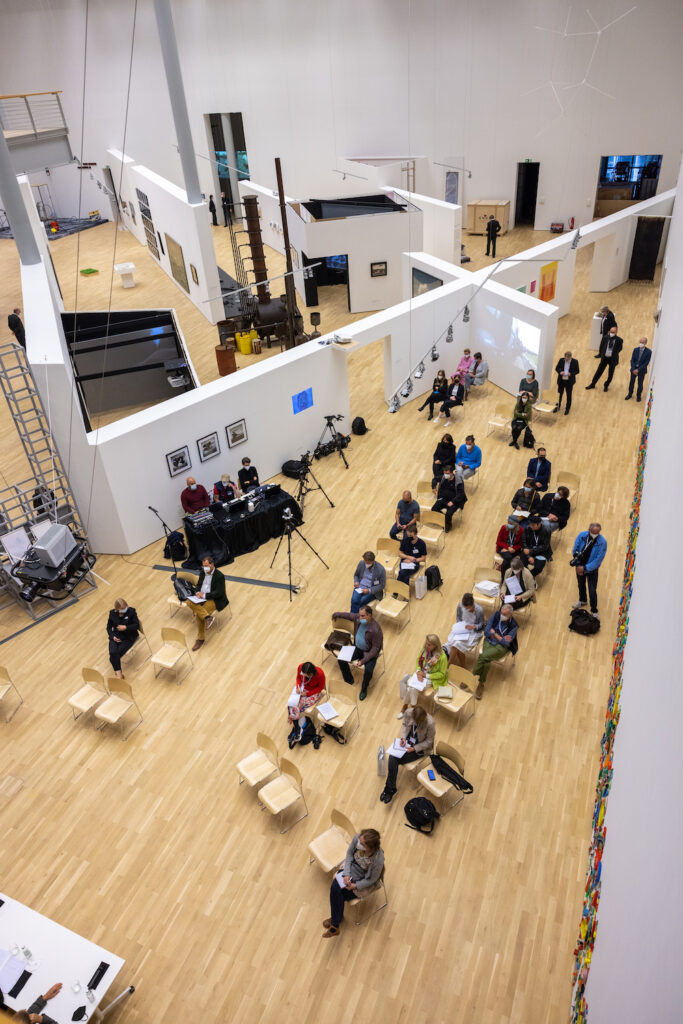
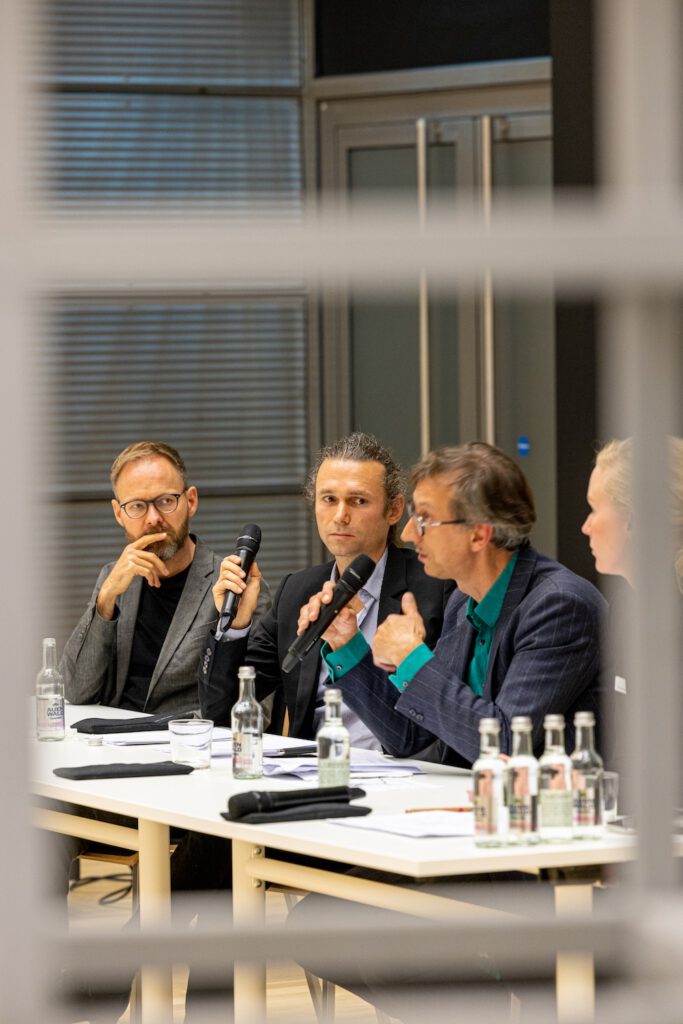
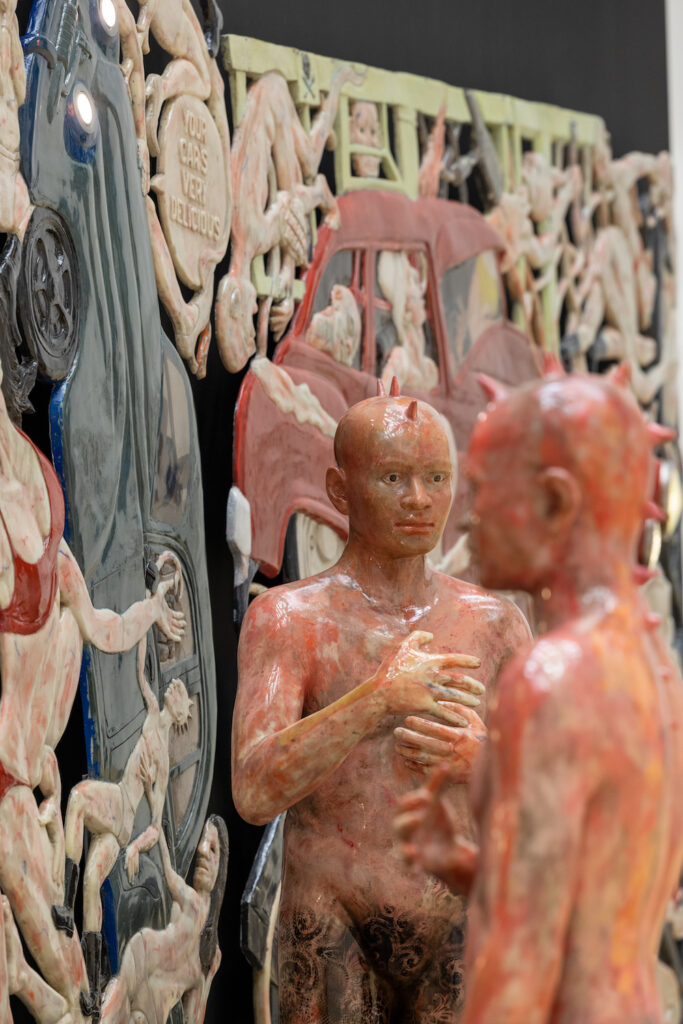
Bereits am Donnerstag zur Pressekonferenz hatte sich ein großes Interesse und hoffentlich entsprechend großes Medienecho angekündigt. Fernsehteams von NDR, 3Sat und ZDF Heutejournal waren da, ebenso Radioleute und Vertreter_innnen diverser regionaler und überregionaler Zeitungen. Hier folgt eine Auflistung aller bislang erschienenen und gesendeten Beiträge (von denen wir etwas mitbekommen haben):
Presseberichte
Print und Online: Wolfsburger Allgemeine Zeitung, 2.9.2021, Deshalb riecht’s nach Öl im Kunstmuseum
Print und Online: Braunschweiger Zeitung, 2.9.2021, Erdöldämmerung in Wolfsburg
Audio: Deutschlandfunk Kultur, Fazit, 3.9.2021, Beitrag von Simone Reber und Interview mit Benjamin Steininger
Video: NDRkultur, 3.9.2021, Schau in Wolfsburg beleuchtet Fluch und Segen von Erdöl
Online: Deutsche Welle, 4.9.2021, Nicht ideologisch: Schau blickt auf das Erdölzeitalter
Video: ZDF und 3sat, Kulturzeit, 6.9.2021, OIL. Schönheit und Schrecken des Erdölzeitalters
Print und Online: FAZ, 8.9.2021, Stählerner Fingerzeig nach oben
Video: heute Journal, 13.9.2021, Schönheit und Schrecken des Erdölzeitalters
Print und Online: taz nord, 21.9.2021, Unsichtbar und allgegenwärtig
Print und Online: Süddeutsche Zeitung, 16.10.2021, Wie geschmiert
Print: ART magazin 11/2021, Schwarzes Gold
Online: H/SOZ/KULT, 13.11.2021, OIL. Schönheit und Schrecken des Erdölzeitalters
Print: Artline 11/21, Spektakulärer Abgesang
Kunstbulletin 12/2021, Öl – Schönheit und Schrecken